

Red flag symptoms of varicose veins you should never ignore
Your varicose veins might affect how you look, but they don’t always affect your health. Many people live with varicose veins for years without any symptoms or problems.
That said, some symptoms of varicose veins should always be checked by a medical professional. They don’t necessarily mean something’s wrong. But they could suggest your condition is getting worse, that blood isn’t flowing around your legs properly, or that there’s an underlying vein disease. So it’s essential to know which symptoms warrant medical attention.
The sooner you can get these symptoms checked and treated, the better your chances of stopping them from getting worse and preventing complications.
Find out which symptoms you need to watch out for, and when it’s time to see a specialist.
Which varicose vein symptoms need medical attention?
Make an appointment to see a vein specialist or your doctor if you notice any of the following symptoms.
Bleeding
It can be alarming if one of your varicose veins starts to bleed, particularly as the blood may spurt out quickly. It’s usually caused by a build-up of pressure inside a delicate vein, or because the skin covering your vein is thin and fragile. You might start bleeding from something as simple as scratching your leg or knocking it against furniture.
If this happens, apply first aid at home to stop the bleeding, then contact your doctor or the emergency services. They can assess how much blood you’ve lost and suggest treatment to help prevent it happening again.
Skin changes
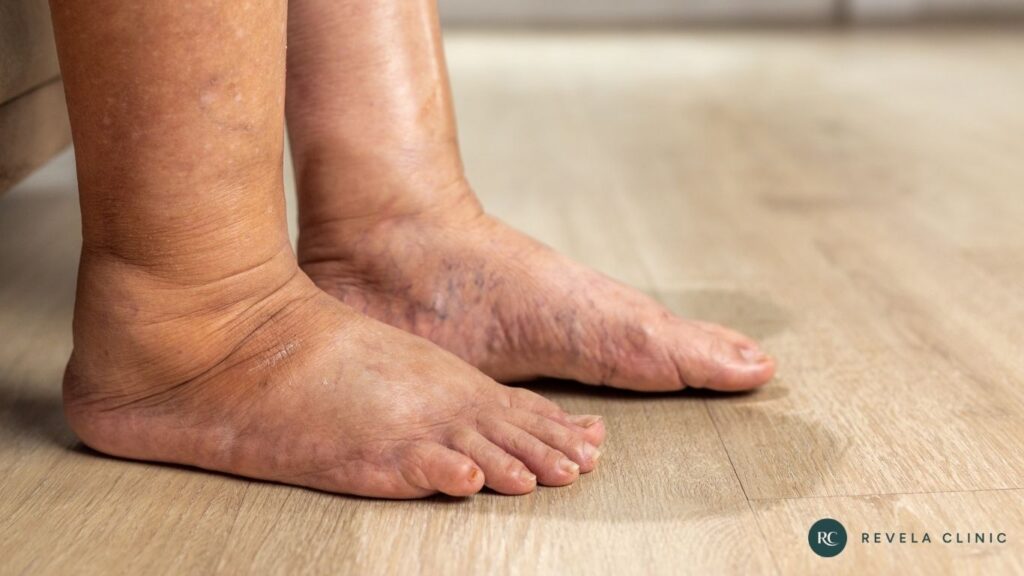
If you notice the skin around your lower legs or ankles changing colour or texture, ask a specialist to take a look. You might find that your skin turns a dark red or brown colour, feels hard and thick, or becomes dry and itchy, similar to eczema.
These changes can be a sign that blood is pooling in your legs rather than flowing back towards your heart, causing pressure to build up over time. This can sometimes mean your condition is getting worse.
Ulcers
It’s also important to seek medical attention if you develop a sore or open wound on your lower leg or ankle, particularly if it doesn’t heal within 2 weeks. These are known as venous leg ulcers.
Venous ulcers happen when blood has been pooling in your legs for a long time, causing pressure to build up and damage your blood vessels. They don’t tend to heal on their own, so it’s important to get treatment early. The longer an ulcer is left, the higher your risk of infection.
Warm, hard, red or painful veins
If one of your varicose veins feels hard, warm, red or painful, particularly along a section you can see or feel under your skin, ask a specialist to check it. This can be a sign of superficial thrombophlebitis – a small blood clot that forms in a vein near the surface and causes inflammation.
This tends to happen because blood pooling in your varicose vein can slow down and thicken, making it more likely to clot.
The clot usually stays in that section of your vein, but your specialist will still want to check it hasn’t spread towards your deeper veins. They can also suggest treatment to ease the inflammation.
Painful, heavy or aching legs
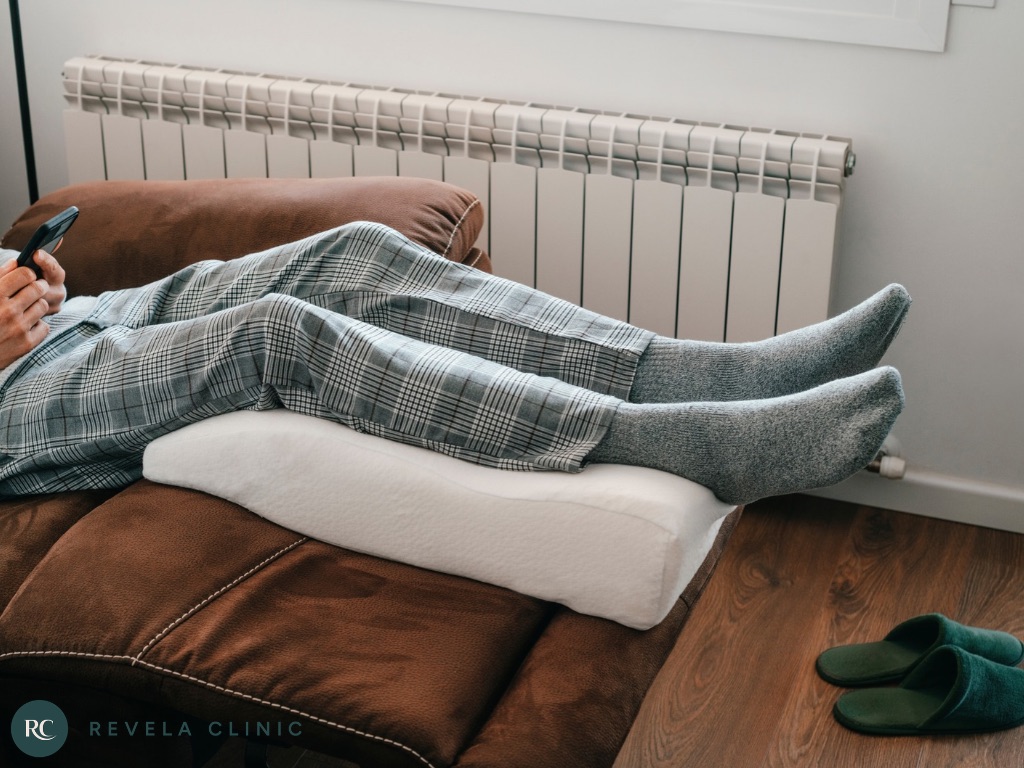
If your legs regularly feel heavy, achy or tired, especially after standing for long periods or by the end of the day, mention it to your specialist. This kind of discomfort often gets worse the longer you’re on your feet, eases when you raise your legs, and tends to come back day after day rather than being a one-off.
This heaviness isn’t just discomfort. It usually reflects a build-up of pressure inside your veins, caused by blood pooling rather than flowing back towards your heart.
On its own, this symptom doesn’t necessarily mean anything serious. But if it’s persistent, gets worse over time, or starts interfering with your daily activities, ask a specialist to assess it.
Severe swelling in one leg
If one of your legs start to swell significantly, contact your doctor immediately. This is even more important if your leg also feels warm, red or painful, or the swelling doesn’t go away when you rest or elevate it. This can sometimes be a sign of deep vein thrombosis (DVT) – a blood clot inside a vein.
DVT can be dangerous if the clot travels to your lungs, causing a pulmonary embolism. If you experience sudden shortness of breath, chest pain, or you cough up blood, seek emergency medical attention right away.
Most of the time, varicose veins don’t lead to DVT, but your doctor will want to rule this out to be sure.
Swelling in your calves and ankles
If both your calves or ankles swell, rather than just one leg, this is usually less urgent than one-sided swelling, but it’s still worth mentioning to your doctor. You might notice your legs feel tight or puffy by the end of the day, but the swelling eases when you put your feet up or overnight.
This kind of swelling often happens when blood pools in your leg veins instead of flowing back towards your heart, causing fluid to build up in the surrounding tissue. Over time, this pressure can make the swelling more persistent, and it doesn’t always fully go down with rest.
If your swelling gets worse, lasts for longer, or happens alongside other symptoms like skin changes or aching legs, ask a specialist to take a look. They can check how well your veins are working and recommend treatment, such as compression stockings , to help manage it.
When to seek emergency help
Varicose veins don’t usually lead to serious complications. But it’s essential to get emergency medical help if you experience:
- sudden, severe swelling in one leg, especially with pain
- chest pain or shortness of breath
- bleeding from a varicose vein that doesn’t stop after applying pressure for 10 minutes
These can be signs of a blood clot, such as DVT or a pulmonary embolism. If you notice any of these symptoms, call 999 or go to your nearest A&E right away.
Why early detection matters
It’s easy to put off getting your symptoms checked, especially if they’ve developed slowly over time, or you’re worried about what they might mean. But acting sooner rather than later can make a real difference to how your condition progresses.
That’s because the valves inside your veins don’t repair themselves once they’re damaged. Without specialist treatment, you’re more likely to develop complications like skin damage, ulcers, or a blood clot. Your vascular specialist can assess what’s going on before it reaches that point, helping ease your symptoms and giving you the best chance of keeping your condition under control.
Get expert advice about your symptoms
Varicose veins affect everyone differently, so if anything about your symptoms is worrying you, don’t wait to find out more. At Revela Clinic, our team is here to answer your questions, help you understand what’s going on with your veins and recommend the best treatment for you.

Mr. Ahmed Shalan
Consultant Vascular and Endovascular Surgeon MBBCh, MRCS, ChM, FRCS.
At Revela Clinic we take time to understand your goals, explain every step, and ensure your comfort from consultation to recovery.
Book consultationRelated articles
We are here to help
Please fill out the form below and a member of our team will be in touch as soon as possible.