
Leg Swelling and Hidden Venous Disease
When varicose veins aren’t visible — but symptoms are very real
Leg swelling is a common and often frustrating problem that can affect daily life, work, and overall comfort. Many people are surprised to learn that you don’t need to see bulging veins to have venous disease.
In fact, a large number of patients experience leg swelling, heaviness, aching, and tired legs caused by hidden varicose veins — veins beneath the skin that are not visible but are not working properly.

Not All Varicose Veins Are Visible
When most people think of varicose veins, they imagine large, twisted veins on the surface of the legs. However, venous disease often affects deeper veins that cannot be seen.
These veins may:
- Look normal from the outside
- Have faulty valves (venous reflux)
- Allow blood to flow backwards
- Cause pressure to build up in the leg
This condition is known as venous incompetence or venous reflux, and it can cause significant symptoms even without visible veins.
How Venous Reflux Causes Leg Swelling
Healthy veins push blood upward toward the heart. When the valves fail:
- Blood pools in the leg
- Pressure increases within the veins
- Fluid leaks into surrounding tissues
- Swelling develops, especially around the ankles and lower legs
This swelling often:
- Worsens throughout the day
- Is more noticeable after long periods of standing or sitting
- Improves with leg elevation or overnight rest
Common Symptoms of Hidden Varicose Veins
You may have venous disease if you experience:
- Swollen ankles or lower legs
- Heaviness or tightness in the legs
- Aching or throbbing discomfort
- Tired legs at the end of the day
- Burning or cramping sensations
- Relief when legs are elevated
- Symptoms worse in hot weather
- Discomfort after long periods of standing or sitting
These symptoms are especially common in people whose jobs involve long hours on their feet, such as healthcare workers, teachers, retail staff, and hospitality workers.
Why Swelling Should Not Be Ignored
Persistent leg swelling is not just uncomfortable — it can be a sign of progressive venous disease.
If left untreated, venous reflux can lead to:
- Skin discolouration around the ankles
- Eczema or itchy skin
- Hardening of the skin
- Increased risk of venous ulcers
Early diagnosis allows treatment before permanent skin damage occurs.
How Is Venous-Related Leg Swelling Diagnosed?
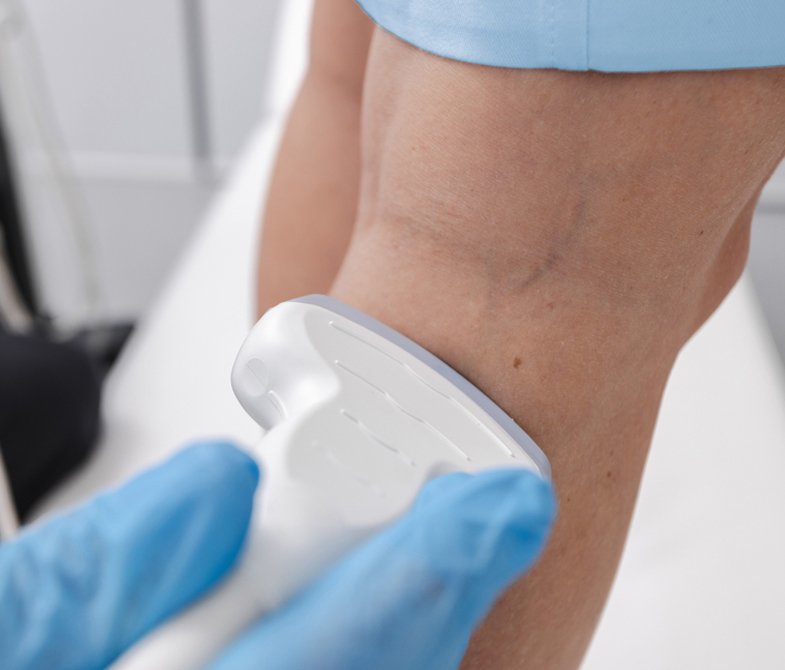
The most effective way to identify venous disease is through a specialist consultation and duplex ultrasound scan.
This scan:
- Assesses blood flow in the leg veins
- Identifies leaky valves
- Detects hidden varicose veins
- Helps guide the most appropriate treatment
Many patients are relieved to finally understand the cause of their symptoms after months or years of unexplained swelling.
Is There a Solution?
Yes. Venous disease is highly treatable, even when veins are not visible.
Depending on the findings, treatment options may include:
- Endovenous ablation (such as radiofrequency ablation)
- Foam sclerotherapy
- Compression therapy
- Lifestyle and activity guidance
Modern treatments are minimally invasive, effective, and usually performed under local anaesthetic.
Frequently Asked Questions
Can I have varicose veins without seeing them?
Yes. Many patients have venous reflux in deeper veins that are not visible on the skin but still cause swelling, pain, and heaviness.
Why do my legs swell more at the end of the day?
Prolonged standing or sitting increases pressure in faulty veins, allowing fluid to leak into surrounding tissues. Elevating the legs helps drain this fluid.
Is leg swelling always due to venous disease?
Not always. Swelling can have multiple causes, which is why proper assessment and ultrasound scanning are important to identify the exact reason.
Will compression stockings cure the problem?
Compression stockings can relieve symptoms but do not correct faulty vein valves. Treating the underlying reflux offers longer-term relief.
What happens if venous reflux is left untreated?
Symptoms may worsen over time and can progress to skin damage, discolouration, and in advanced cases, leg ulcers.
Is treatment safe if I don’t have visible veins?
Yes. Treatments are guided by ultrasound, allowing precise treatment of veins beneath the skin.
When Should You Seek Assessment?
You should consider a specialist venous assessment if:
- You have ongoing leg swelling
- Your legs feel heavy, tired, or painful daily
- Symptoms improve when you elevate your legs
- Your work involves long periods of standing or sitting
- You have swelling without visible veins
A simple consultation and scan could provide clear answers — and a straightforward solution.
Understanding the Cause Is the First Step
Leg swelling is not something you have to “just live with.” Hidden venous disease is common, under-recognised, and highly treatable.
With the right assessment, we can identify the cause of your symptoms and offer a safe, effective solution that improves comfort, mobility, and quality of life.
Leg Swelling Treatments
Making an appointment to suit you has never been easier. Book your consultation today and let us help find your specialist.
We are here to help
Please fill out the form below and a member of our team will be in touch as soon as possible.